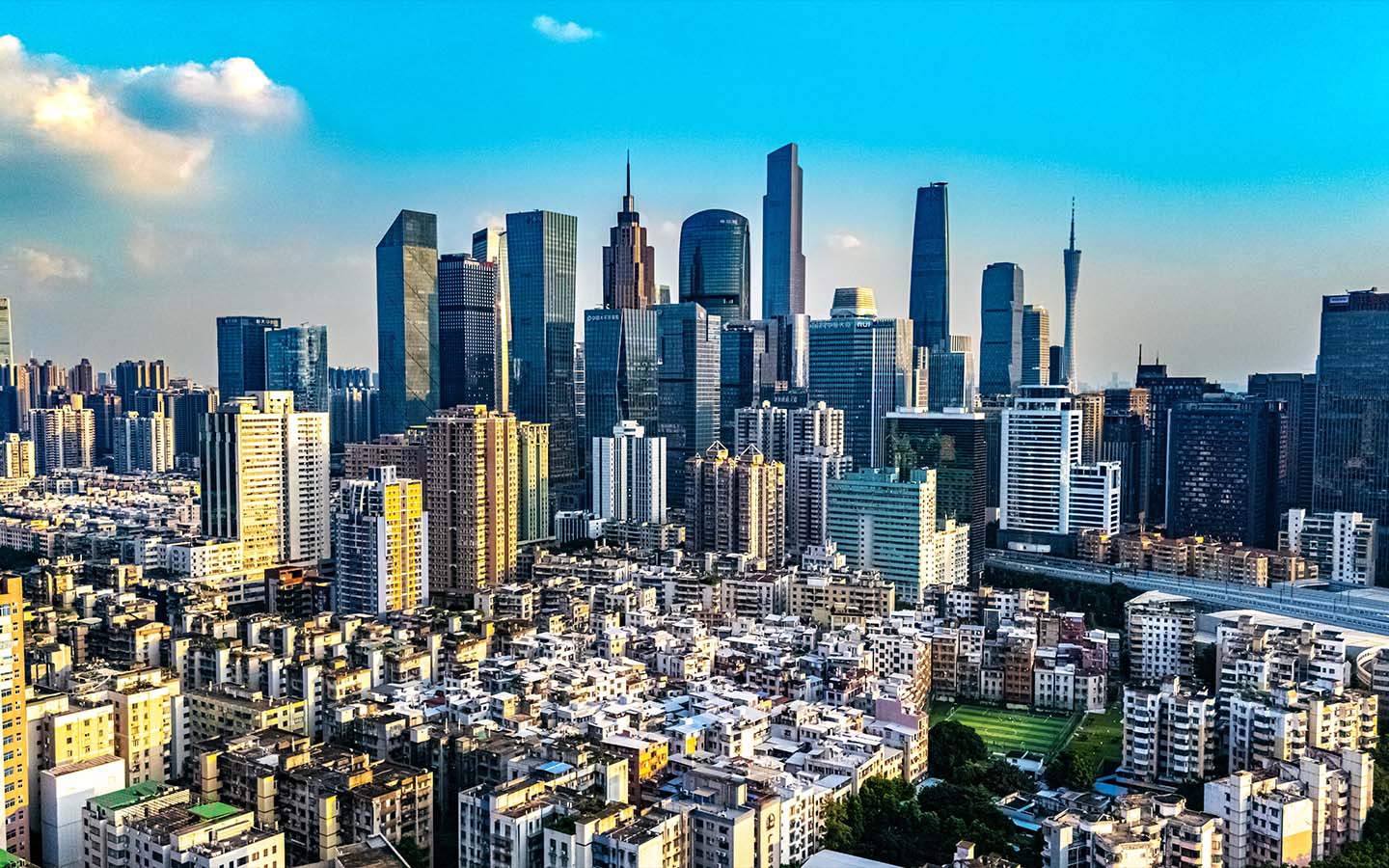
Guangdong's Economic Powerhouse: Unpacking the 2025 GDP Report with Shenzhen's Stellar Rise
Guangdong Province, often hailed as China's economic engine, continues to set ambitious targets and achieve remarkable growth. As we delve into the projected 2025 GDP reports for this dynamic region, a clear picture emerges: one of sustained expansion, strategic diversification, and the undeniable ascendancy of cities like Shenzhen. This analysis will explore the key drivers behind Guangdong's economic prowess, spotlight Shenzhen's groundbreaking nominal GDP growth, compare performance across the province's diverse urban landscape, and offer insights into the strategies underpinning this robust development.
Guangdong's Economic Horizon: A 2025 Snapshot
Guangdong's economic trajectory in 2025 is projected to reinforce its status as a global manufacturing hub and an innovation hotbed. The province's comprehensive economic strategy, focusing on high-tech industries, advanced manufacturing, and strategic emerging sectors, is clearly yielding significant dividends. While specific overall provincial GDP figures for 2025 are still being finalized, the individual city reports provide a compelling mosaic of growth that points to a strong provincial performance. This growth isn't uniform; rather, it’s characterized by varying speeds and focuses across its numerous cities, reflecting their unique industrial bases and development priorities. From the bustling metropolises to the strategically located coastal cities, each plays a pivotal role in the larger economic narrative. The province's commitment to industrial upgrading, technological self-reliance, and fostering a favorable business environment positions it well to navigate global economic headwinds and seize new opportunities.
Shenzhen's Ascendancy: Driving Provincial Growth
At the forefront of Guangdong's impressive economic narrative in 2025 is Shenzhen, projected to lead the province with the highest nominal GDP growth rate among all cities. This comes as no surprise, given Shenzhen's meteoric rise from a fishing village to a global technology and innovation powerhouse over the past four decades.
What fuels Shenzhen's extraordinary growth?
*
Innovation Ecosystem: Shenzhen boasts a vibrant ecosystem for technology, startups, and R&D. Home to giants like Huawei, Tencent, and DJI, the city consistently churns out cutting-edge innovations in artificial intelligence, biotechnology, new energy, and advanced electronics. Its robust intellectual property protection and supportive government policies create fertile ground for tech entrepreneurs.
*
Strategic Location and Openness: As a Special Economic Zone (SEZ) bordering Hong Kong, Shenzhen has historically benefited from preferential policies and its gateway role for international trade and investment. Its openness to foreign capital and talent has been a cornerstone of its development.
*
Talent Magnet: The city's reputation as a hub for innovation attracts a continuous influx of skilled professionals, both domestic and international. Its dynamic job market, competitive salaries, and quality of life options are major draws.
*
Infrastructure Investment: Continuous investment in world-class infrastructure, including ports, airports, and high-speed rail networks, further enhances its logistical capabilities and connectivity, solidifying its position as a global trade and logistics center.
Shenzhen's performance not only elevates the provincial average but also serves as a benchmark and inspiration for other cities within Guangdong to emulate its focus on high-value-added industries and technological advancement. Its rapid nominal growth rate signifies a robust expansion in its economic output, reinforcing its role as a key driver of China's economic transformation.
Beyond the Giants: Diverse Growth Stories Across Guangdong
While Shenzhen captures headlines with its phenomenal growth, the broader Guangdong picture reveals a fascinating tapestry of development across its other cities. Each municipality contributes uniquely to the provincial economy, often specializing in distinct sectors and demonstrating varied growth patterns.
Take Zhanjiang, for instance. Projections indicate
Zhanjiang is expected to achieve a commendable 4.5% GDP growth in 2025, with several economic indicators ranking among the top in the province. This demonstrates a strong performance driven by strategic investments and a focus on its unique regional advantages, such as its deep-water port, marine economy, and burgeoning petrochemical industry. Understanding its past performance is also key;
analysis of Zhanjiang's 2023 GDP, per capita GDP, and industrial trends revealed a growing emphasis on optimizing its industrial structure and improving living standards.
Other cities like Guangzhou, the provincial capital, continue to thrive as a commercial, educational, and transportation hub. Foshan remains a powerhouse in manufacturing, especially in home appliances and ceramics, while Dongguan evolves from a "world factory" into a hub for smart manufacturing and high-tech production. Zhuhai, with its special economic zone status and proximity to Macau, focuses on tourism, high-tech, and a pleasant living environment.
The diversity in growth stories highlights Guangdong's strategic approach to regional development. It’s not about every city becoming a miniature Shenzhen, but rather about each city leveraging its comparative advantages to contribute to the province's overall prosperity. This involves:
* **Industrial Specialization:** Encouraging cities to develop and specialize in sectors where they have natural strengths or strategic advantages.
* **Infrastructure Connectivity:** Investing in inter-city transportation and logistics networks to facilitate the flow of goods, services, and talent.
* **Balancing Development:** Ensuring that economic growth is balanced with environmental sustainability and social equity, providing opportunities across urban and rural areas.
Understanding the unique economic fabric of each city is crucial. Just as different regions face distinct environmental considerations – from managing unexpected "pancadas chuva fortaleza" (showers in Fortaleza) in a tropical climate to mitigating industrial pollution in a manufacturing hub – so too do their economic strategies diverge, adapting to local conditions and global demands. This adaptability is a hallmark of Guangdong's resilient economic model.
Strategic Imperatives for Sustained Prosperity
Guangdong's impressive 2025 projections are not a guarantee of future success; they are a result of ongoing strategic planning and execution. To sustain this trajectory, several imperatives stand out:
*
Fostering Innovation Beyond Shenzhen: While Shenzhen is a leader, distributing innovation capacity and R&D investment across other cities is crucial. This means supporting emerging tech clusters in Guangzhou, Zhuhai, and Dongguan, and encouraging cross-city collaboration on research and development.
*
Green and Sustainable Development: As economic output grows, so does the responsibility to protect the environment. Guangdong is increasingly prioritizing green manufacturing, renewable energy, and sustainable urban planning to ensure long-term, healthy growth. This includes investing in smart city technologies, improving public transportation, and promoting circular economy principles.
*
Attracting and Retaining Talent: Beyond major cities, all municipalities need to develop strategies to attract and retain skilled workers. This involves not only competitive salaries but also investments in education, healthcare, affordable housing, and cultural amenities. Creating an inclusive and vibrant living environment is key.
*
Global Integration and Openness: Despite global uncertainties, Guangdong must continue to embrace openness, facilitate international trade, and attract foreign direct investment. Participating actively in initiatives like the Belt and Road Initiative and strengthening ties with ASEAN nations can unlock new markets and partnerships.
*
Digital Transformation Across Industries: Leveraging technologies like AI, big data, and the Internet of Things (IoT) to upgrade traditional industries, enhance efficiency, and create new business models across all sectors, from manufacturing to services. Practical advice for businesses involves adopting cloud-based solutions, investing in automation, and training employees in digital skills to remain competitive.
These strategic pillars will ensure that Guangdong not only maintains its economic momentum but also builds a more resilient, innovative, and sustainable future for all its cities.
Conclusion
Guangdong's 2025 GDP report paints a picture of robust economic health, with Shenzhen leading the charge in nominal growth, propelled by its unrivaled innovation ecosystem. However, the province's strength lies not just in its economic giants but also in the diverse and strategic contributions of cities like Zhanjiang, Guangzhou, and others, each carving out its unique path to prosperity. By continuously investing in innovation, embracing sustainable practices, nurturing talent, and remaining globally integrated, Guangdong is well-positioned to cement its status as a world-leading economic region, driving progress and setting new benchmarks for development in the years to come.